November 23, 2026
In the realm of modern infrastructure, asphalt contractors play a pivotal role, shaping the very roads we travel and the pavements we tread. Their work ensures safe and efficient transportation, facilitating economic growth and community development. The significance of asphalt contractors extends beyond mere road building; they are integral to the larger tapestry of public works that support our daily lives. This article elucidates the multifaceted impact of asphalt contractors, from their economic and environmental contributions to technological advancements and the challenges they face. By understanding these elements, we can appreciate the indispensable role they play in shaping a sustainable future.
Understanding Asphalt Contractors
Definition and Role
An asphalt contractor is a professional or company engaged in the construction, repair, and maintenance of asphalt surfaces such as roads, highways, parking lots, and driveways. Their primary role is to ensure these surfaces are durable, safe, and compliant with regulatory standards. Asphalt contractors possess specialized knowledge in material science, engineering principles, and project management to execute complex construction projects. They use heavy machinery to lay, spread, and compact asphalt, a composite material prized for its durability and cost-effectiveness. The scope of their work extends from minor repairs and resurfacing to large infrastructure projects, making them vital to public safety and economic vitality.
Types of Services Provided
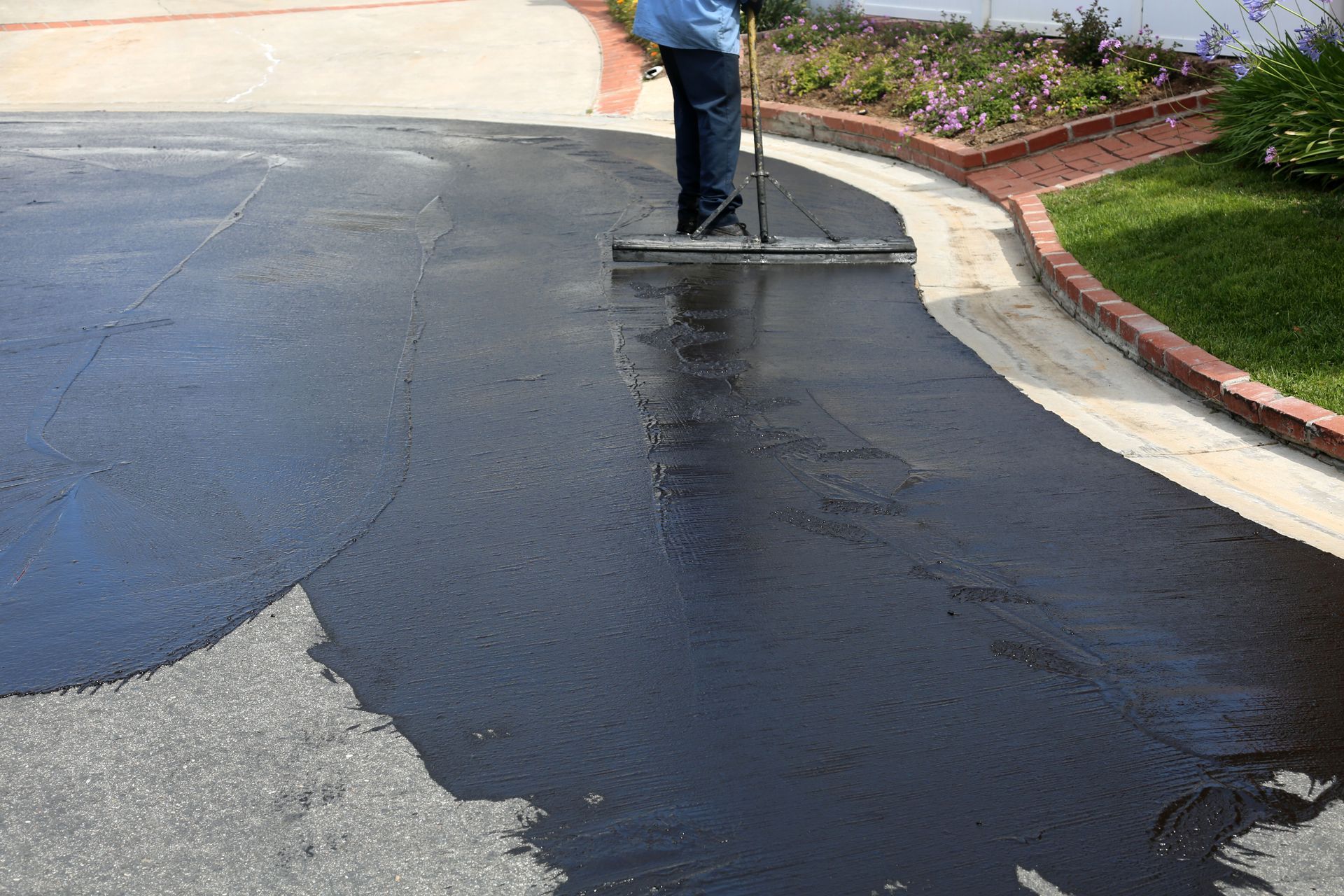
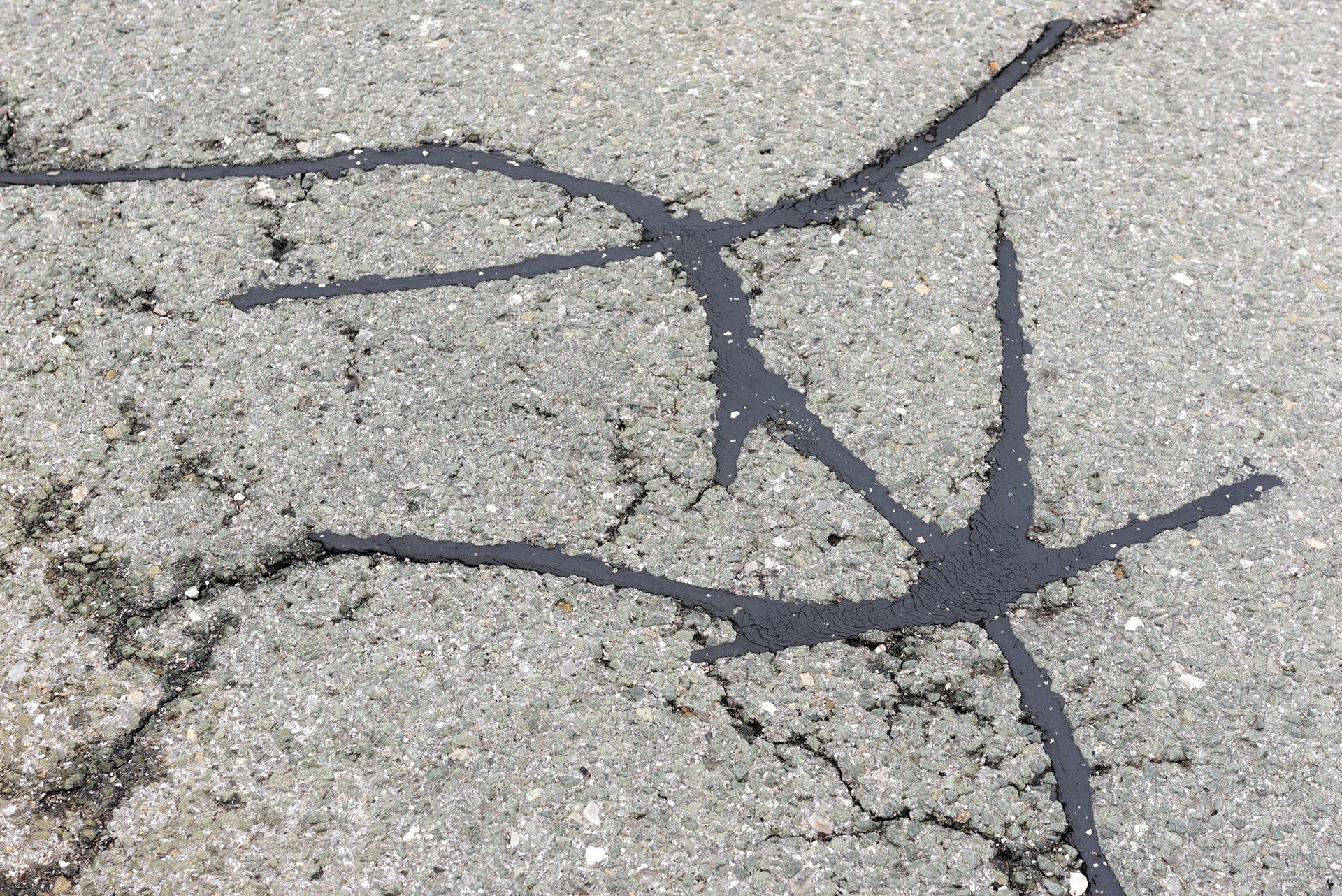
Asphalt contractors offer a wide array of services tailored to meet the diverse needs of their clientele. These services include the construction of new asphalt surfaces, maintenance and repair of existing infrastructure, overlaying for reinforcement, and seal coating for extended life. They also specialize in crack sealing, pothole repair, and pavement marking, enhancing safety and aesthetics. Moreover, some contractors provide milling and recycling services, wherein old asphalt materials are refurbished for reuse. This diverse service portfolio ensures comprehensive care for infrastructure, delivering sustainable and efficient solutions for communities and businesses alike.
Importance in Infrastructure
Asphalt contractors are the cornerstone of modern infrastructure, facilitating the movement of goods and people across vast networks. Their work underpins vital transportation systems, ensuring they meet safety and performance standards. By maintaining and constructing roads, these contractors contribute to decreased travel times, fuel efficiency, and reduced vehicular wear-and-tear. Additionally, their presence bolsters community growth and accessibility, as reliable roads attract investment and improve quality of life. The availability of experienced asphalt contractors thereby directly influences the effectiveness and longevity of the infrastructure we depend upon daily.
Key Competencies and Skills
To excel in their field, asphalt contractors must possess a blend of technical expertise and problem-solving skills. A deep understanding of construction techniques, material properties, and weather implications is crucial to their function. Furthermore, effective communication and project management skills allow them to coordinate large teams and navigate complex logistical challenges. Proficiency in adhering to industry standards and regulatory requirements is essential for ensuring quality and compliance. Finally, adaptability in adopting new technologies and sustainable practices enhances their capability to deliver high-quality results.
Economic Impact of Asphalt Contractors
Job Creation and Employment
Asphalt contractors play a significant role in job creation, providing employment opportunities to thousands across the nation. According to IBIS World, there are roughly 139,000 active paving contractor businesses across the United States, reflecting the industry's expansive employment potential. These businesses hire skilled laborers, engineers, project managers, and administrative staff, contributing to diverse local economies. The ripple effect of job creation in this sector extends to ancillary suppliers and service providers, further amplifying employment impact. As infrastructure demands increase, the need for skilled workers in asphalt contracting continues to rise, underscoring its importance as a cornerstone of economic stability.
Contribution to Local Economies
The operations of asphalt contractors inject significant economic benefits into local communities. By undertaking construction and maintenance projects, they boost local businesses, engage suppliers, and utilize local resources, thereby circulating wealth within the area. The infrastructure they create fosters commercial activity and enhances connectivity between regions, facilitating trade and investment. Furthermore, local governments benefit from enhanced infrastructure through increased tax revenues and reduced maintenance expenses. Asphalt contractors thus serve as catalysts for regional economic development, driving growth through infrastructure enhancement.
Cost-Effectiveness in Construction
Asphalt is known for its cost-effectiveness when compared to alternative materials like concrete. Its lower material and installation costs make it an economically viable choice for public and private projects. Asphalt contractors utilize efficient project management practices and advanced machinery to reduce labor costs and project durations. Moreover, the recyclability of asphalt contributes to cost savings, enabling old materials to be reused, reducing the need for new raw materials. These factors make asphalt an attractive option for budget-conscious projects, expanding its application across various infrastructural needs.
Stimulating Related Sectors
The presence of a thriving asphalt contracting industry supports the growth of related sectors, creating a symbiotic economic ecosystem. These sectors include raw material suppliers, equipment manufacturers, and logistical service providers, each of which gains from the demand generated by asphalt projects. Additionally, innovations in polymer additives and modified asphalts open pathways for chemical and technology sectors to contribute and expand. This interconnectedness promotes a diverse and resilient economic landscape, where advancements in one sector spurs growth across others. In doing so, asphalt contractors remain pivotal actors in broadening the industrial capabilities and opportunities throughout the economy.
Environmental Considerations
Eco-Friendly Materials and Processes
The asphalt industry is increasingly focused on eco-friendly materials and processes to mitigate environmental impact. Contractors are exploring sustainable additives and technologies like warm-mix asphalt, which uses less energy and lowers emissions during production. Efforts to incorporate recycled materials, such as reclaimed asphalt pavement, into new mixtures also decrease the need for virgin resources. Through these initiatives, the industry demonstrates a commitment to sustainability, reducing its carbon footprint while maintaining quality and durability. These eco-friendly practices not only protect the environment but also can lead to cost savings in production and maintenance.
Impact of Asphalt on Urban Heat
Asphalt surfaces have long been associated with exacerbating urban heat island effects, absorbing and radiating heat more than natural landscapes. However, the industry is investing in research and development to address these issues through innovative solutions like cool pavement technologies. These include reflective coatings and lighter-colored materials that mitigate heat absorption, helping to cool urban environments. In this way, asphalt contractors are not just builders but also contributors to urban planning and climate adaptation strategies. Their work helps make cities more livable and resilient to the impacts of climate change.
Recycling and Reusing Asphalt
Recycling is a cornerstone of the asphalt industry's approach to sustainability, as it allows for the efficient reuse of materials. Reclaimed asphalt pavement (RAP) is routinely milled from old surfaces and incorporated into new projects, reducing the demand for new materials. This practice not only conserves natural resources but also minimizes waste sent to landfills. Asphalt contractors are at the forefront of these efforts, innovating ways to increase the percentage of recycled content without compromising performance. As such, they play a crucial role in advancing the principles of a circular economy within construction.
Sustainable Construction Practices
Sustainability in construction extends beyond materials to include practices such as efficient site management and reduced transportation emissions. Asphalt contractors employ digital tools and best practices to streamline project phases, minimizing disruptions and resource use. These practices include optimizing material supply chains and coordinating logistics to reduce fuel consumption and emissions. In addition, contractors are adopting green certifications and ecolabeling to affirm their commitment to sustainability and attract environmentally conscious clients. Each of these efforts aligns with broader industry trends towards more sustainable and responsible construction practices.
Asphalt contractors form the backbone of infrastructure development, influencing the economic, environmental, and technological landscape. Their contributions span job creation, sustainability efforts, and technological advancements, proving essential for a progressive and resilient society. While challenges persist in the forms of regulation, competition, and skill shortages, the solutions and innovations within the industry continue to propel it forward. Strategic support and policy interventions are vital in enabling these stakeholders to thrive, ensuring continued access to quality contractors. As advocates for innovation and sustainability, asphalt contractors will undoubtedly remain pivotal in the development of the infrastructure that shapes our future. Reach out to JW Paving & Sons Inc today to see how we can help you!