June 23, 2026
In the realm of paving materials, the debate between asphalt and concrete is both longstanding and significant. These two options dominate the choices available for driveways, parking lots, and roadways in residential and commercial spaces. Deciding between asphalt and concrete requires not only an understanding of the costs but also an awareness of the practical benefits each material offers. Property owners frequently lean towards asphalt for several compelling reasons, often citing its versatility and cost-effectiveness as major considerations. Let's delve into the multifaceted advantages of hiring an asphalt paving company.
1. Cost-Effectiveness
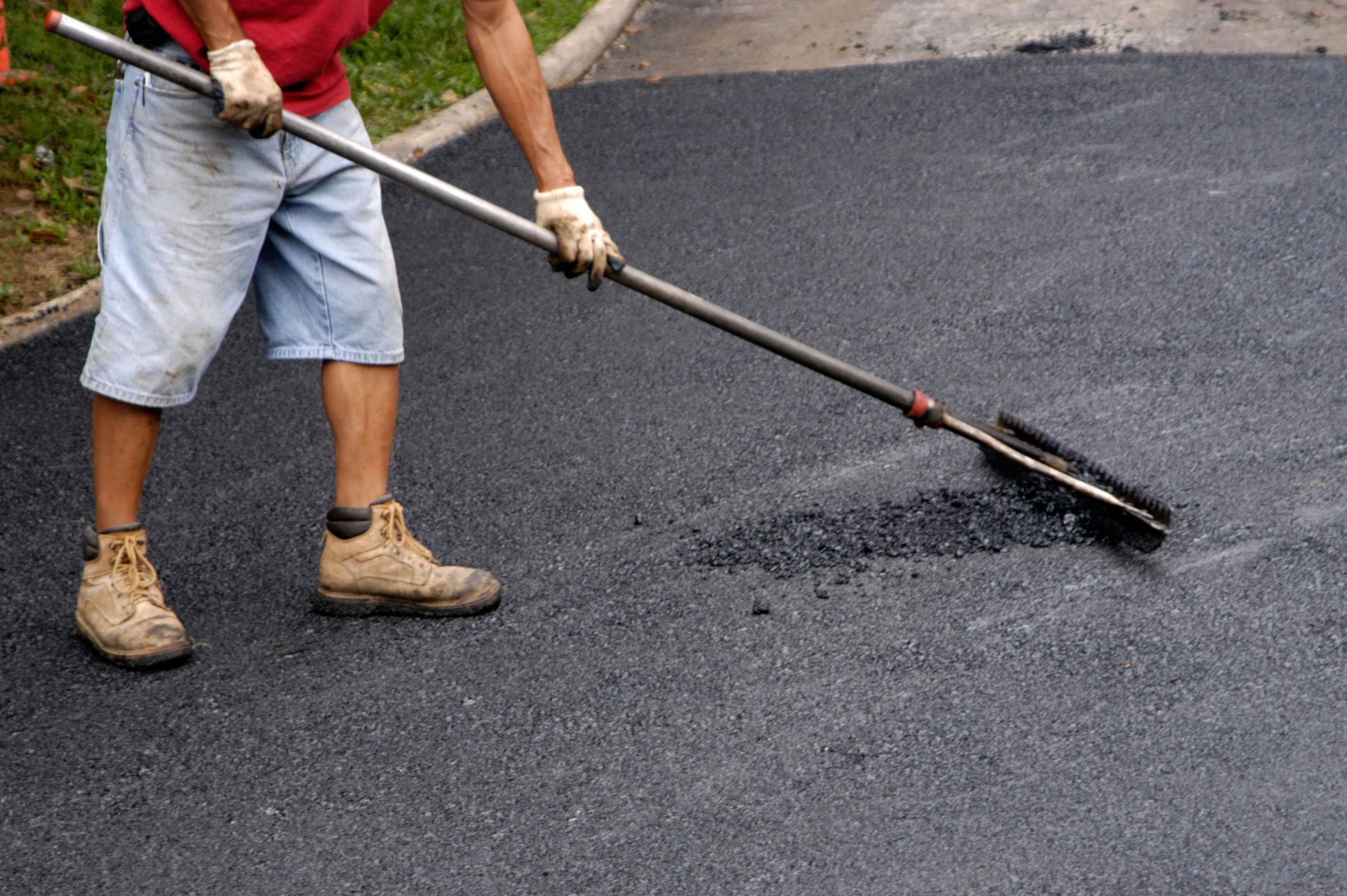
When evaluating initial costs, asphalt stands out as the more budget-friendly option. The installation of asphalt is substantially less expensive than concrete, often making it the go-to choice for both homeowners and business proprietors. Asphalt requires fewer materials and less time to lay down, translating into immediate savings for projects of any size. These lower up-front costs do not compromise the quality or durability of the asphalt surface. Moreover, with advancements in technology, the process of installing asphalt has become more efficient, reducing labor costs even further.
Maintenance of asphalt surfaces proves to be considerably more affordable compared to concrete. Asphalt allows for easy repairs and resurfacing, which can be conducted swiftly and economically. Cracks and potholes, which are common in any paving material, can be filled and sealed in asphalt without exorbitant expense. This affordability plays a critical role in the long-term viability of asphalt as a preferred paving material. Regular maintenance, when coupled with initial cost savings, makes asphalt a smart financial choice for property owners.
Another cost consideration is the long-term return on investment provided by choosing an asphalt paving company. While concrete may have a longer lifespan when left in pristine conditions, the ease of repair and resurfacing often extends the effective service life of an asphalt surface. In addition, industry trends highlight competitive pricing in the asphalt market, ensuring that property owners can maintain their surfaces within budgetary constraints. According to Today's Homeowner, asphalt driveways typically need a thickness of two to four inches, with thicker layers enhancing durability, thus maximizing the lifespan of the investment. By factoring in both immediate and future financial impacts, asphalt emerges as a financially savvy choice.
2. Installation Speed
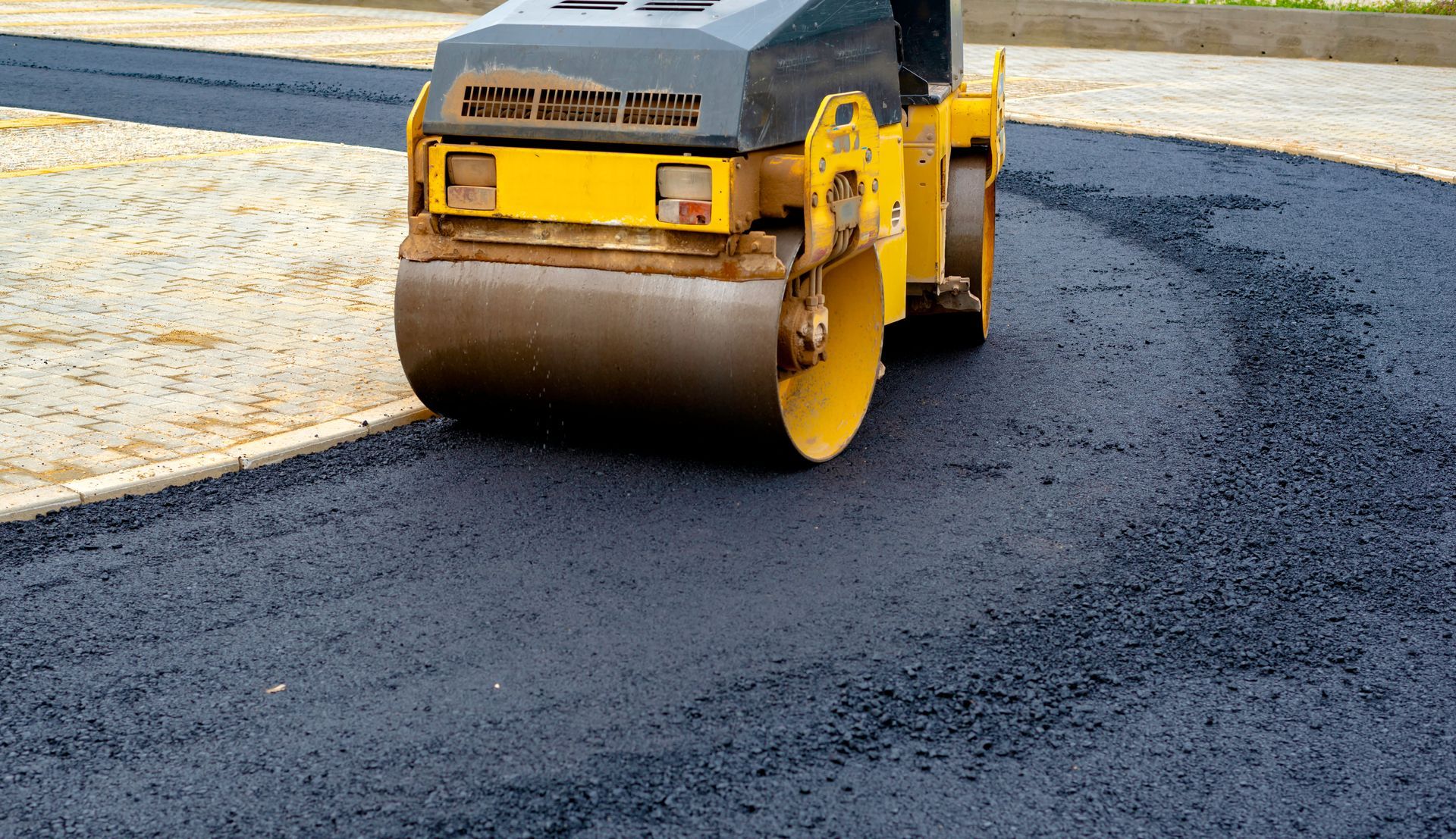
The speed of installation by a professional asphalt paving company is a decisive factor for many property owners, and asphalt delivers in this area with remarkable efficiency. The process of laying asphalt is considerably faster than that of concrete, allowing projects to be completed in a fraction of the time. Whether preparing a new surface or replacing an old one, asphalt minimizes the timeline and accelerates the completion date. Additionally, the reduction in installation time means that property access is hindered less, crucial for businesses and residential areas that cannot afford long downtime. This quick setup process is a vital advantage in regions where weather conditions can unpredictably affect timelines.
Minimizing disruption is another promising aspect of choosing this material. The rapid installation reduces the inconvenience and disturbance to property owners and occupants. Asphalt's curing time is significantly shorter than concrete's, often allowing traffic back on the surface within 24 hours. This minimal disruption is especially beneficial in commercial or high-traffic areas where time equates to money. By providing quick access to the property, asphalt paving demonstrates a commendable balance between quality and efficiency.
3. Durability and Flexibility
One of asphalt's primary benefits is its innate flexibility, which allows it to withstand various stressors without cracking. Unlike rigid concrete, asphalt's ability to expand and contract with temperature changes enhances its resilience and saves on repair costs. Its resistance to cracking is a major advantage in climates that see drastic temperature shifts throughout the year, as it can move with these changes instead of resisting them. This flexibility translates into a longer lifespan and fewer instances of visible damage on the surface. Consequently, property owners can expect reduced maintenance and repair costs over time.
Asphalt's adaptability to weather is one of its most understated strengths. This pavement material handles heat and cold effectively, expanding and contracting without sustaining lasting damage. Asphalt's dark color contributes to its ability to absorb heat, which can help facilitate faster snow melting in colder climates. This capacity to endure varying weather conditions without immediate degradation ensures continuous serviceability regardless of location.
A key aspect of asphalt is its superior load-bearing capacity, making it ideal for areas with heavy traffic. The structural integrity afforded by well-laid asphalt supports substantial weights without succumbing to warping or long-term damage. This characteristic makes it particularly suitable for commercial spaces and roadways that experience frequent, heavy use. The layout of asphalt provides not only durability but also a seamless surface that enhances vehicle traction and safety. Asphalt's ability to support consistent vehicle weight reassures property owners of its enduring performance.
4. Aesthetic and Functional Flexibility
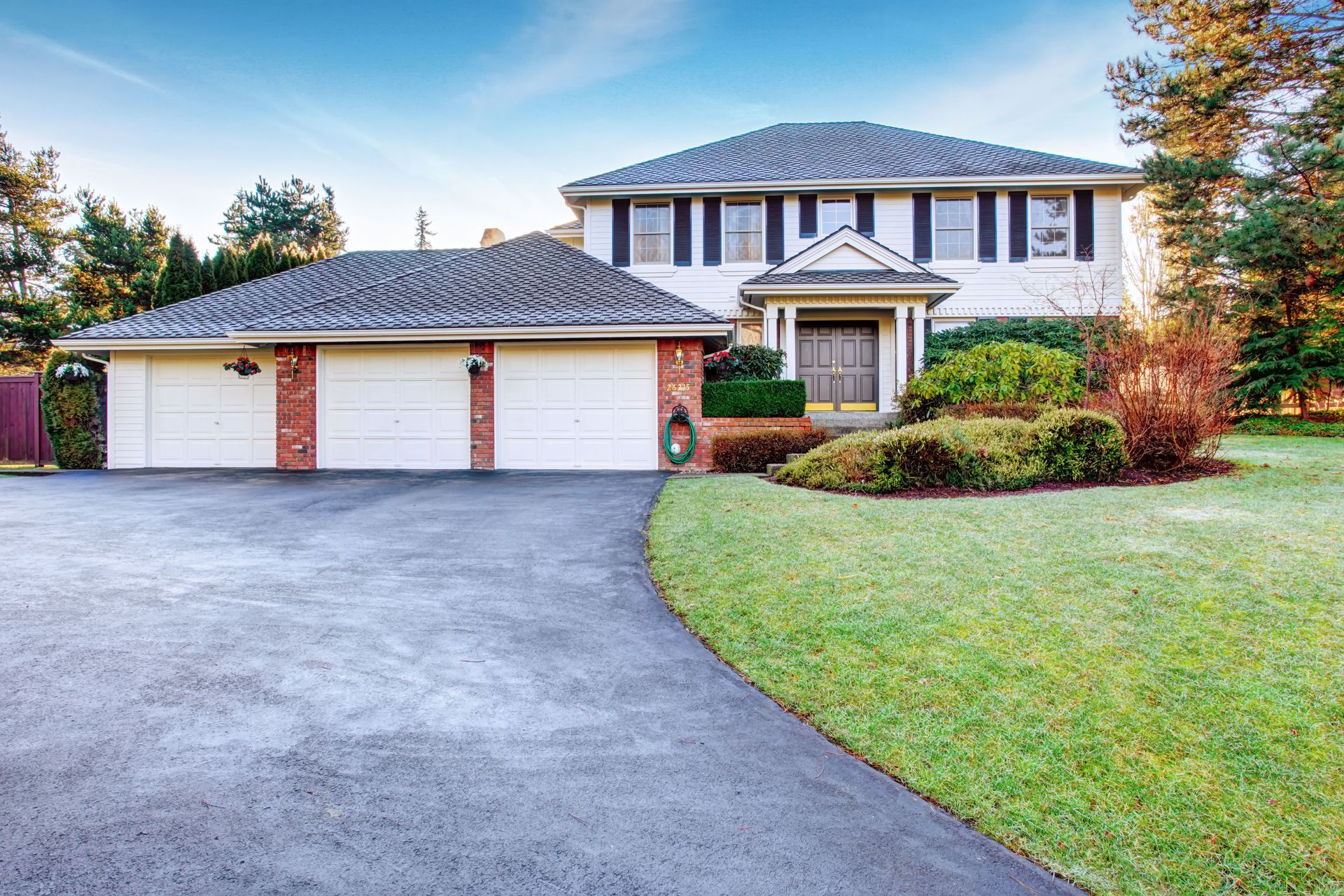
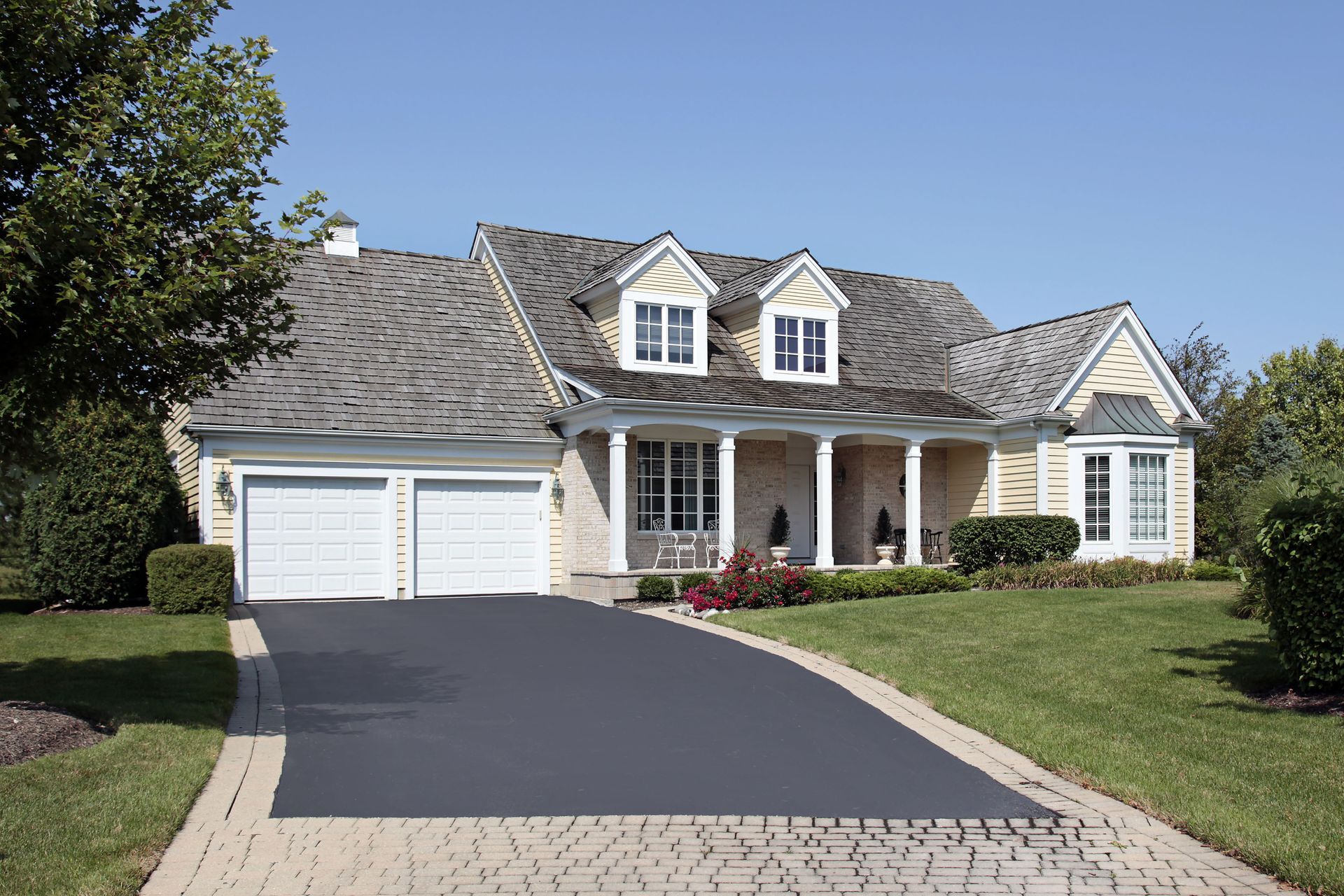
Asphalt offers a wide variety of design options, making it attractive to property owners who value aesthetic flexibility. Unlike concrete, which is often limited in design, asphalt can be tailored to fit an array of specifications and preferences. Its malleability allows for creative designs and patterns, enhancing curb appeal. Whether opting for a modern or a traditional appearance, the design possibilities with asphalt are virtually limitless. This capacity for customization enables it to meet diverse landscaping visions and functional requirements.
A particularly appealing aspect of asphalt is its smooth surface finish. This provides a clear advantage in functionality, as it reduces noise from traffic and offers a comfortable ride for vehicles. Its smoothness also assists in water drainage, decreasing the likelihood of water damage and thereby extending the lifespan of the surface. Beyond practicality, smoother surfaces are also visually pleasing, offering a sleek and polished aesthetic. Such advantages in functionality and appearance emphasize asphalt's dual capacity to both perform and impress..
Beyond its innate qualities, asphalt is further adaptable through customizable finishes and a variety of color options. By incorporating different materials and additives, property owners can tailor the look of their asphalt to blend seamlessly with existing landscapes and structures. These enhancements facilitate individualized statements in terms of visual appeal, catering to specific tastes and stylistic preferences. Integration with landscaping design ensures that asphalt solutions do not merely serve practical purposes but also contribute significantly to the overall visual harmony of a property. These multifaceted features define asphalt as a comprehensive choice for aesthetic and functional design goals.
5. Enhanced Safety Features
Safety is a paramount consideration in choosing a paving material, and asphalt excels in providing skid resistance and traction. Its composition adheres well to tires, making it a safer option for both vehicles and pedestrians. This characteristic proves advantageous in wet conditions when traction is crucial to preventing accidents. Enhanced skid resistance minimizes the likelihood of accidents occurring due to slips or loss of vehicle control. Consequently, property owners benefit from prioritizing safety without compromising functionality or affordability.
Asphalt's effective water drainage properties are another significant safety feature. Its permeability allows water to pass through, reducing puddle formation and promoting speedy dry times even after heavy rains. This diminishes the risk of hydroplaning, which is a serious safety concern for both drivers and pedestrians. Proper water drainage ensures that the surface remains in top condition, reducing wear and tear due to prolonged water exposure. Combined, these characteristics enhance not just longevity, but also safety, offering peace of mind for users.
Asphalt presents a robust array of benefits that justify its selection as a preferred paving material by property owners. From cost-effectiveness to enhanced safety features, its advantages over concrete are substantial and multifaceted. Its ability to deliver on installation speed and durability truly makes it stand out. These myriad attributes collectively provide a compelling case for why turning to an asphalt paving company like JW Paving & Sons Inc is a wise choice. Reach out to us today to get started with a free estimate!